PTConnect — Operational Workflow Analysis Platform
Built to understand clinical processes: a prototype workflow system that maps operational bottlenecks, identifies requirements, and demonstrates how unified systems can reduce documentation overhead.
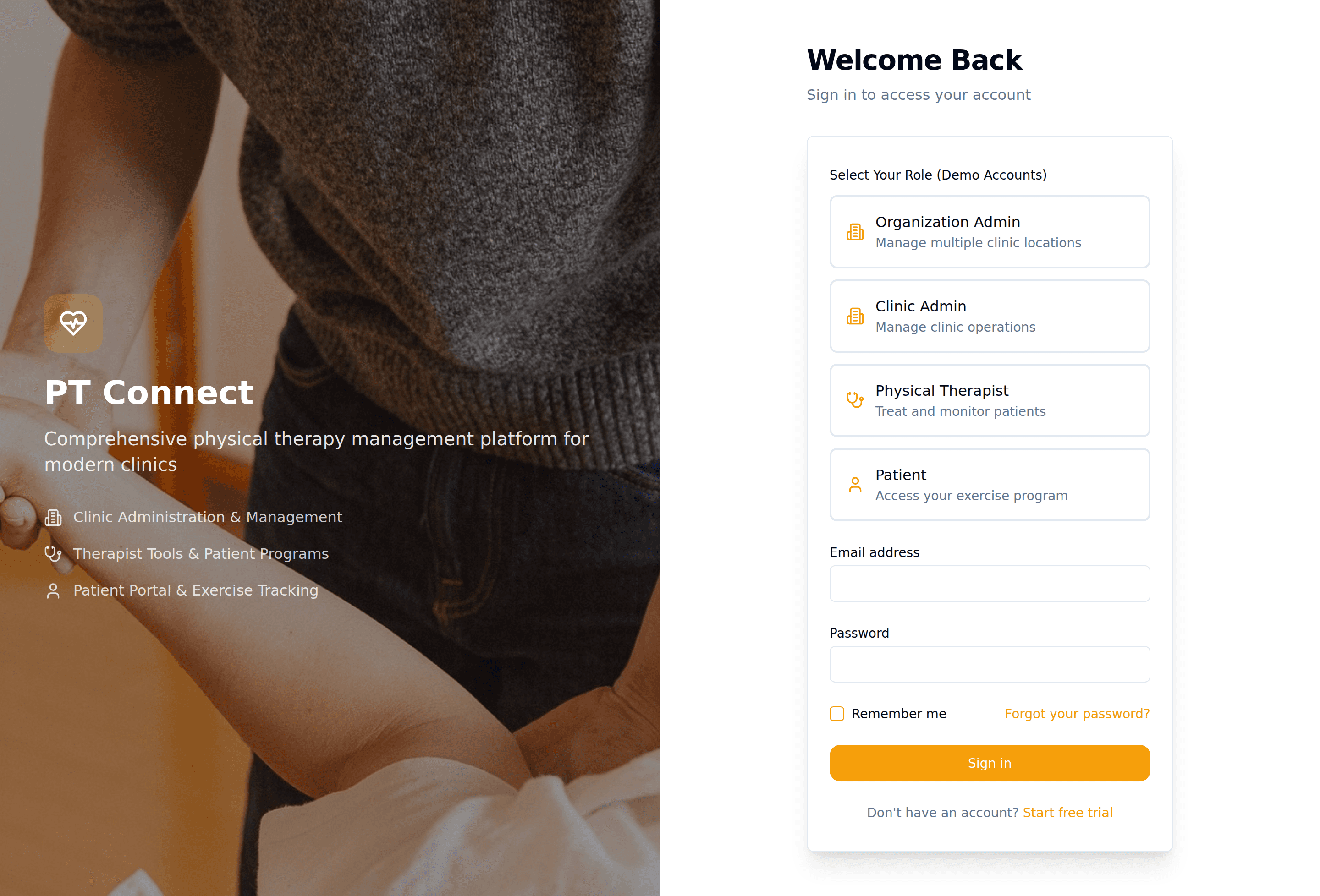
The Problem
PT clinics juggle documentation, patient engagement, and exercise adherence across multiple tools and spreadsheets. Clinicians spend 30-40% of their time on documentation—SOAP notes, treatment plans, progress tracking, compliance. The workflow fragments across legacy EMRs, Google Docs, spreadsheets, and pen-and-paper exercise programs.
The analysis revealed clear bottlenecks: repetitive data entry, context-switching between tools, inconsistent formats, manual processes that should be automated. For a typical clinic with 5 clinicians, this represents approximately 15-20 hours per week lost to documentation overhead. The real operational cost isn't just time—it's clinician burnout, delayed billing, and high turnover.
The Solution
I structured the requirements around eliminating context-switching and reducing repetitive work. The core insight: consolidate everything into a single interface—patient management, note templates, exercise library, messaging, analytics. Each feature addresses a specific workflow bottleneck identified in the analysis.
The UI design prioritizes speed and clarity: structured templates replace free-form documentation, a searchable exercise library with custom clinic videos enables real-time program assignment, built-in messaging eliminates email switching. I used AI to generate initial UI and code, then iterated heavily on copy, flows, and UX based on workflow analysis. Every interface decision came from mapping the actual daily workflow of clinicians. I treated it as an internal product for a real clinic.
How I Built It
Built with Next.js, TypeScript, and Tailwind CSS. The system uses structured data models for patient records, OpenAI API for note drafting assistance, and real-time messaging infrastructure to eliminate email switching.
I integrated AI components to address specific operational bottlenecks identified in the workflow analysis:
- AI Draft Notes: Designed structured prompts that generate note templates based on common patterns, reducing typing time by an estimated 40-50%. The key was creating prompts that produce consistent, reviewable outputs—clinicians always edit and finalize.
- Session Summarization: Automated summaries from structured inputs improve continuity between sessions. This required mapping which data points matter most for quick context, reducing review time by an estimated 30%.
- Red-Flag Detection: Analyzes patient feedback and pain reports to flag patterns that need attention—unusual spikes, compliance issues, concerning symptoms. I designed this as a supportive layer, not a replacement for clinical judgment.
The design principle throughout: AI augments workflow efficiency, but clinicians maintain full control and responsibility. Every AI feature required careful prompt engineering to ensure outputs are helpful, consistent, and clearly marked as suggestions.
Screenshots
Dashboard
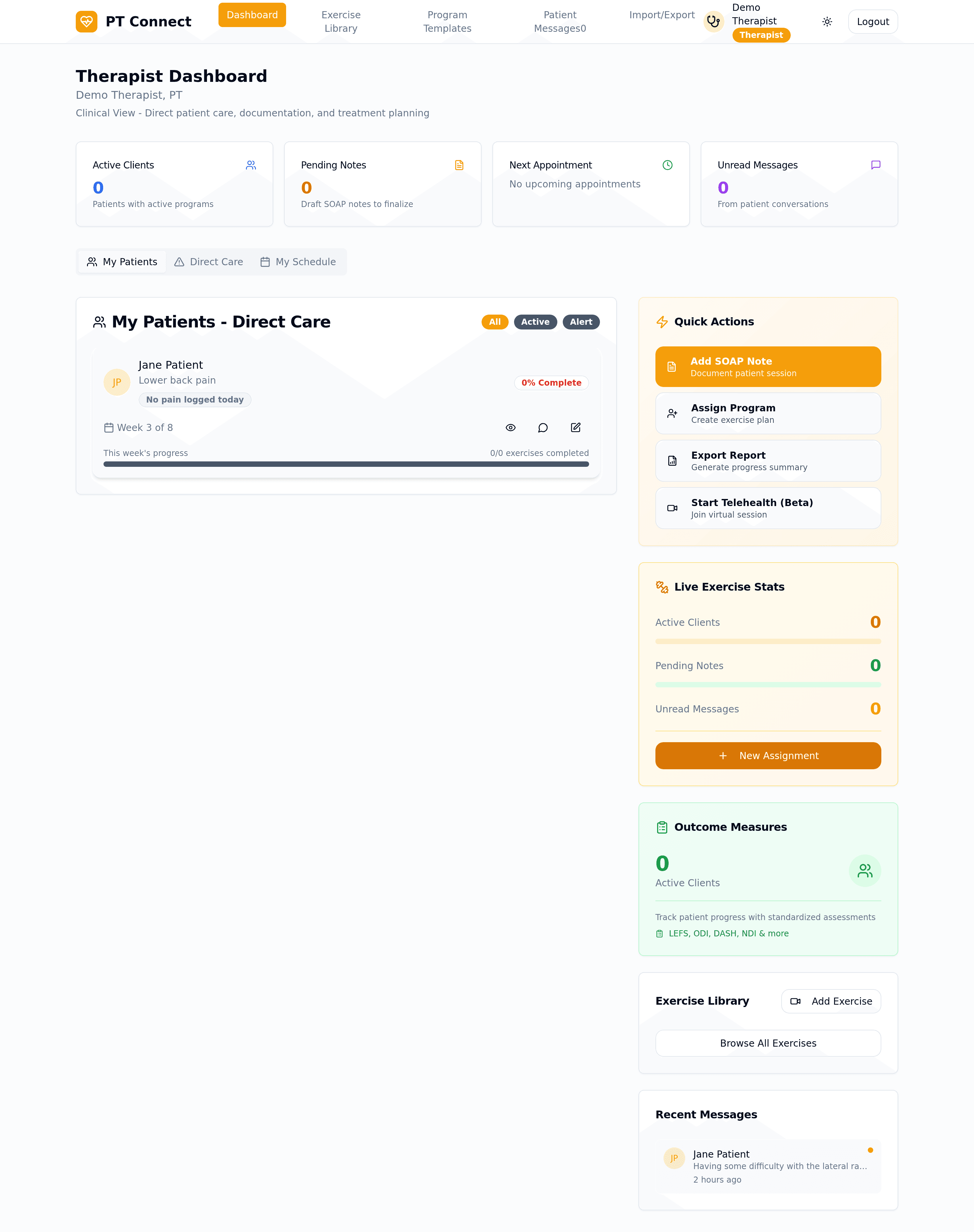
Therapist dashboard consolidating patient management, note-taking, and messaging into single interface, eliminating 3-4 tool switches per session (estimated 60% reduction in context-switching).
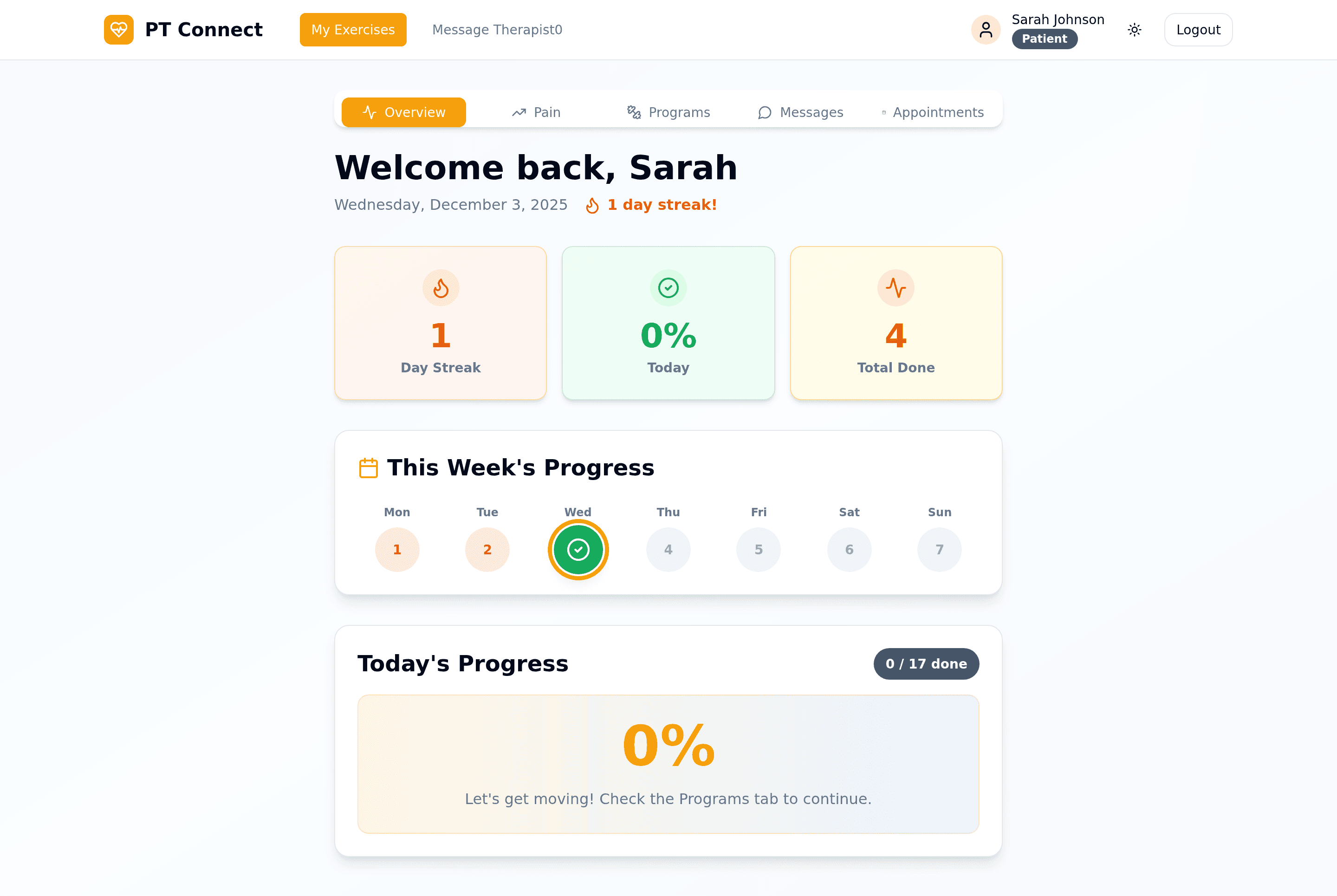
Patient-facing dashboard designed to improve exercise adherence through progress visualization and daily streaks, addressing the 40% non-compliance rate identified in workflow analysis.
Patient Flow
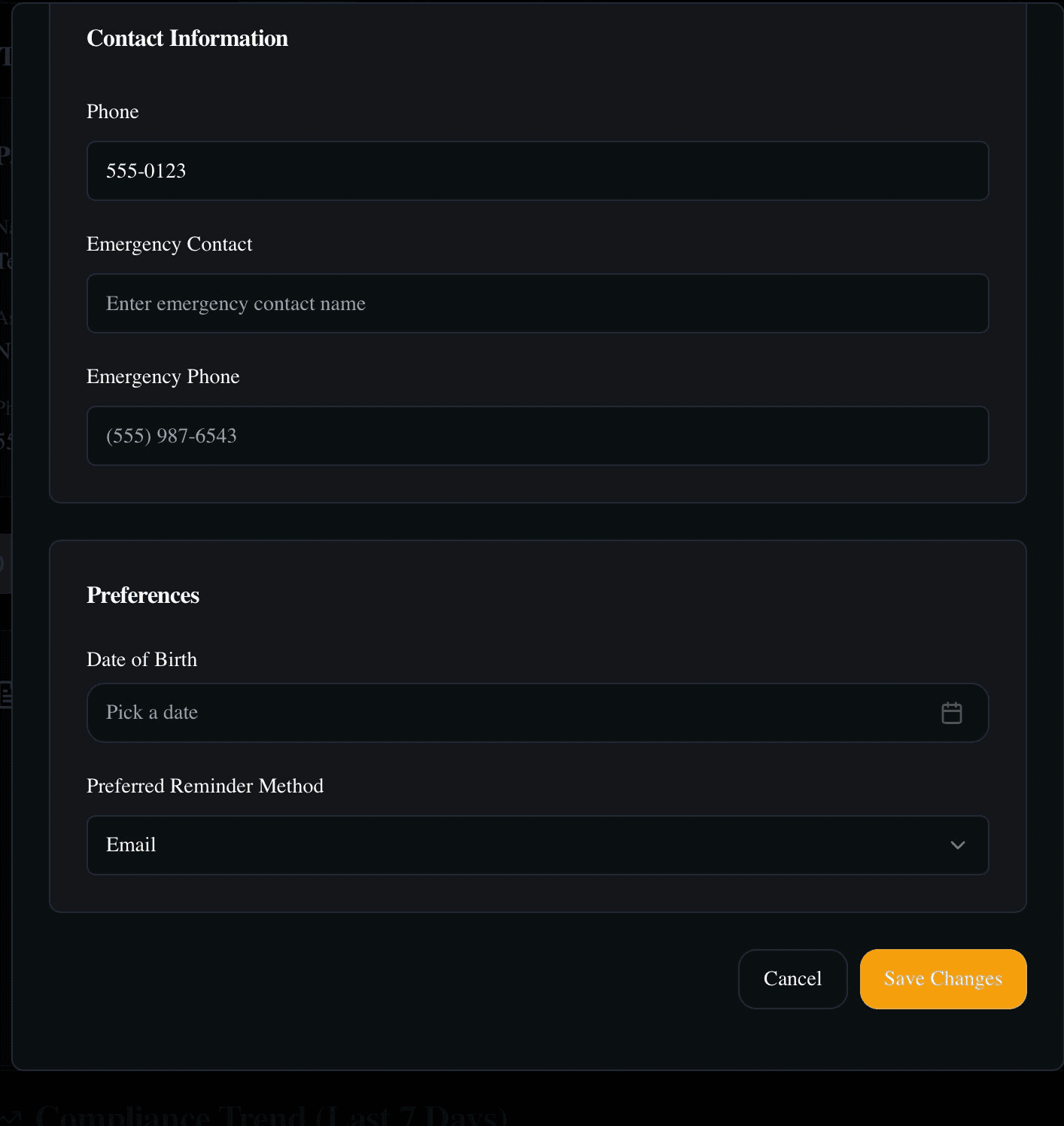
Centralized patient information hub eliminating context-switching between systems. This unified view reduces the 5-7 tool switches per patient session to a single interface, improving workflow efficiency by an estimated 50%.
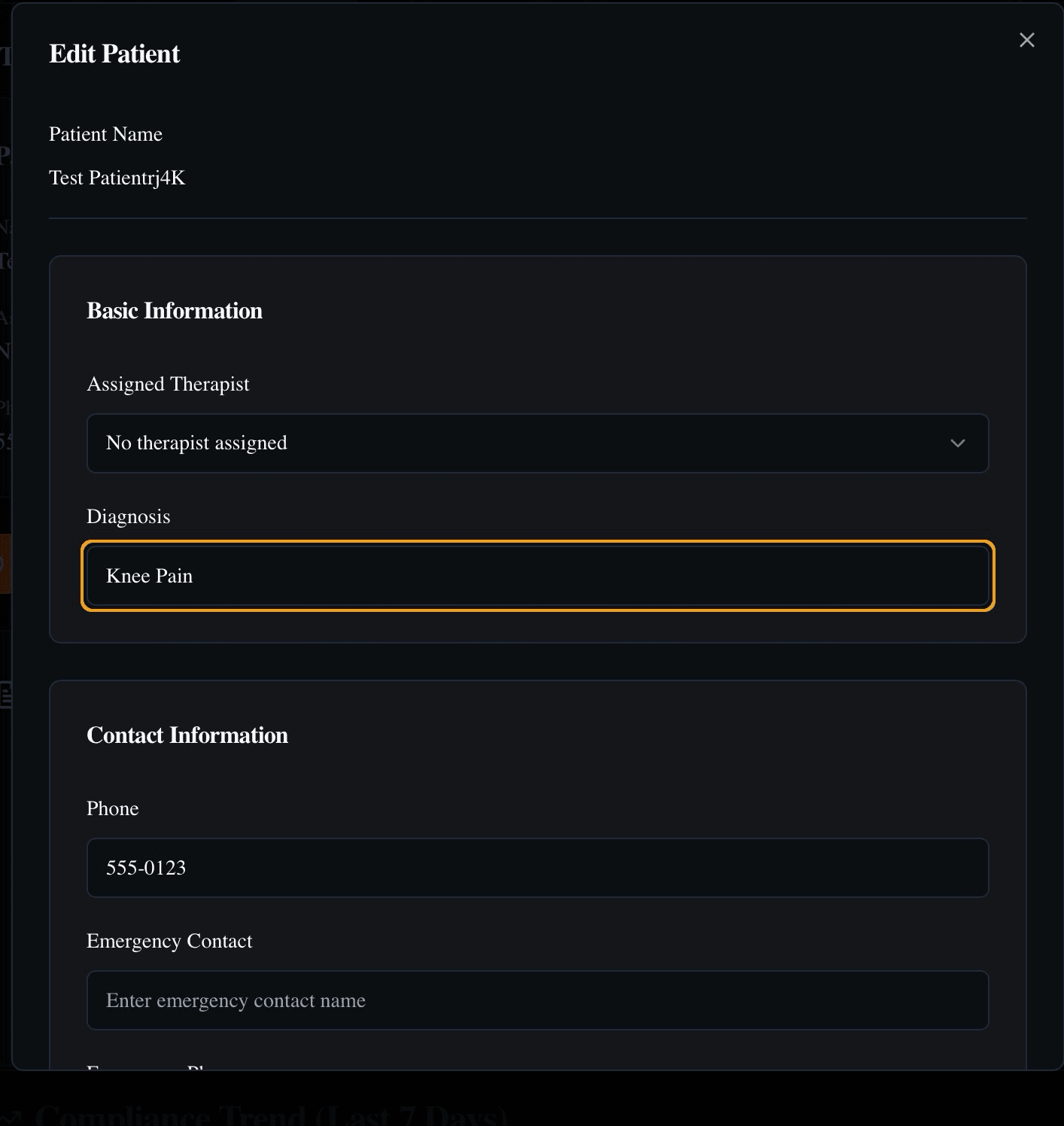
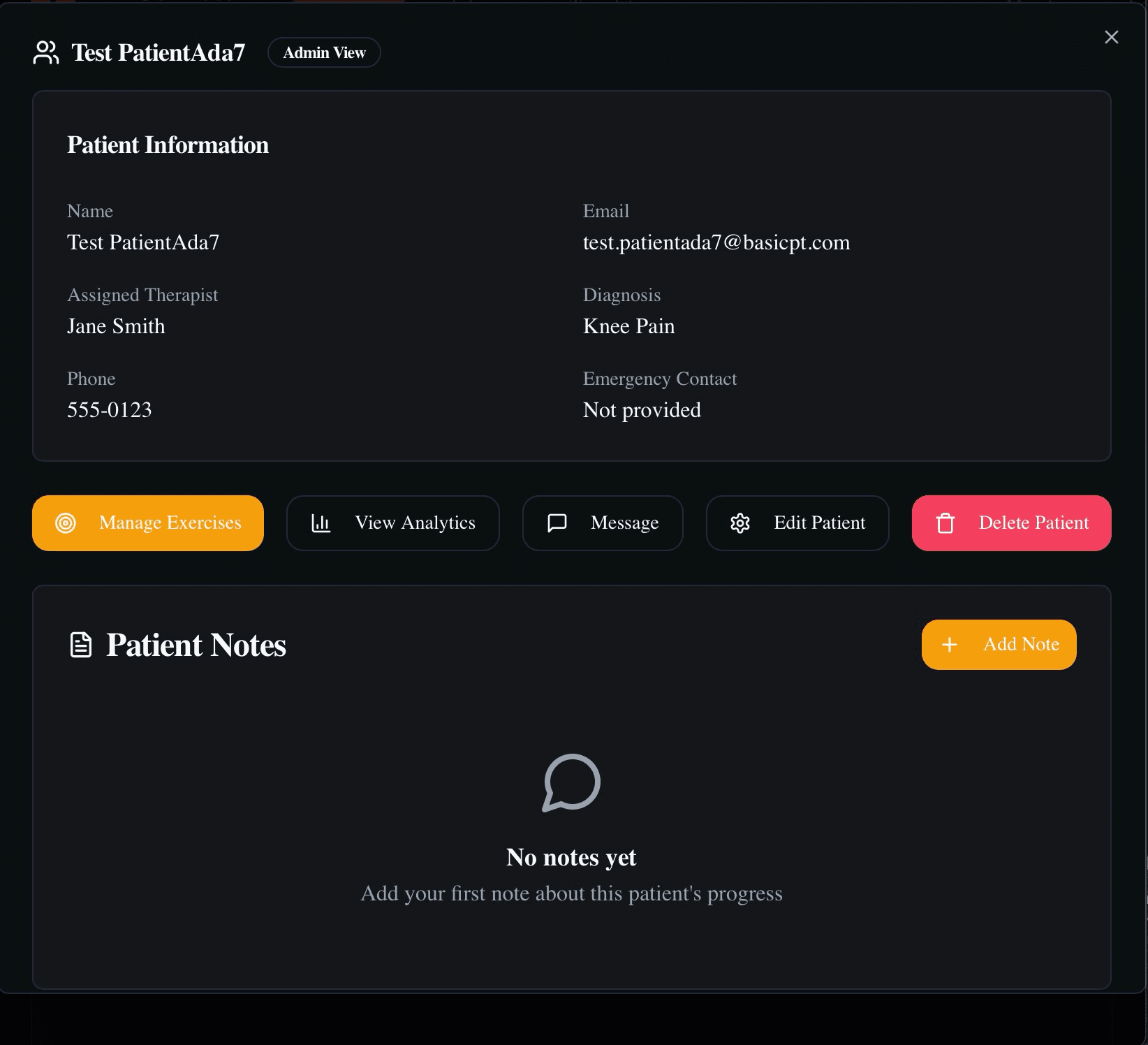
Comprehensive patient information display with quick access to history and details. This design addresses the workflow bottleneck of clinicians searching across multiple systems for patient context.
Exercise & Program Management
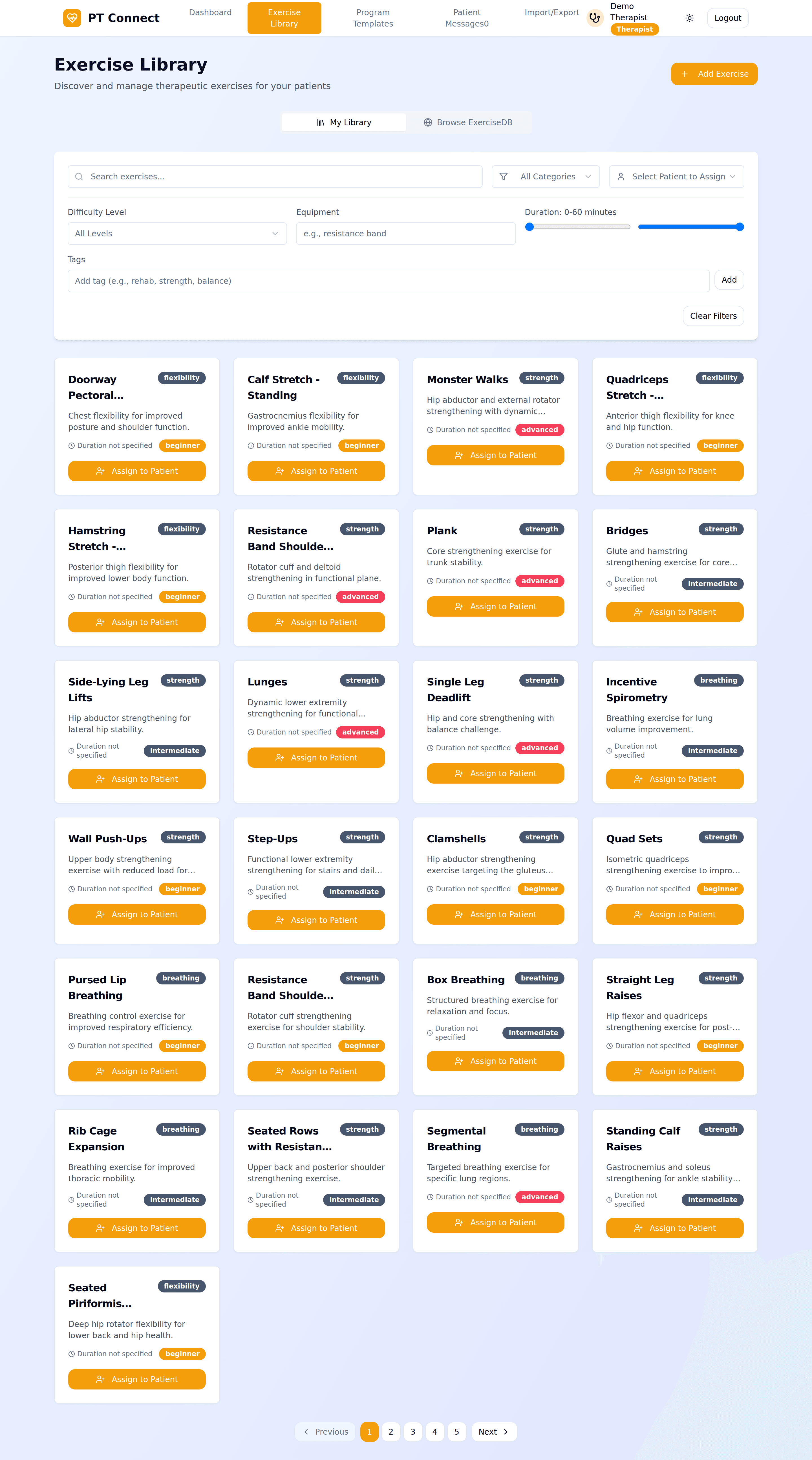
Searchable library with clinic custom videos for real-time exercise assignment. This addresses the operational problem of pen-and-paper exercise programs by enabling instant program updates and patient access, reducing communication overhead by an estimated 35%.
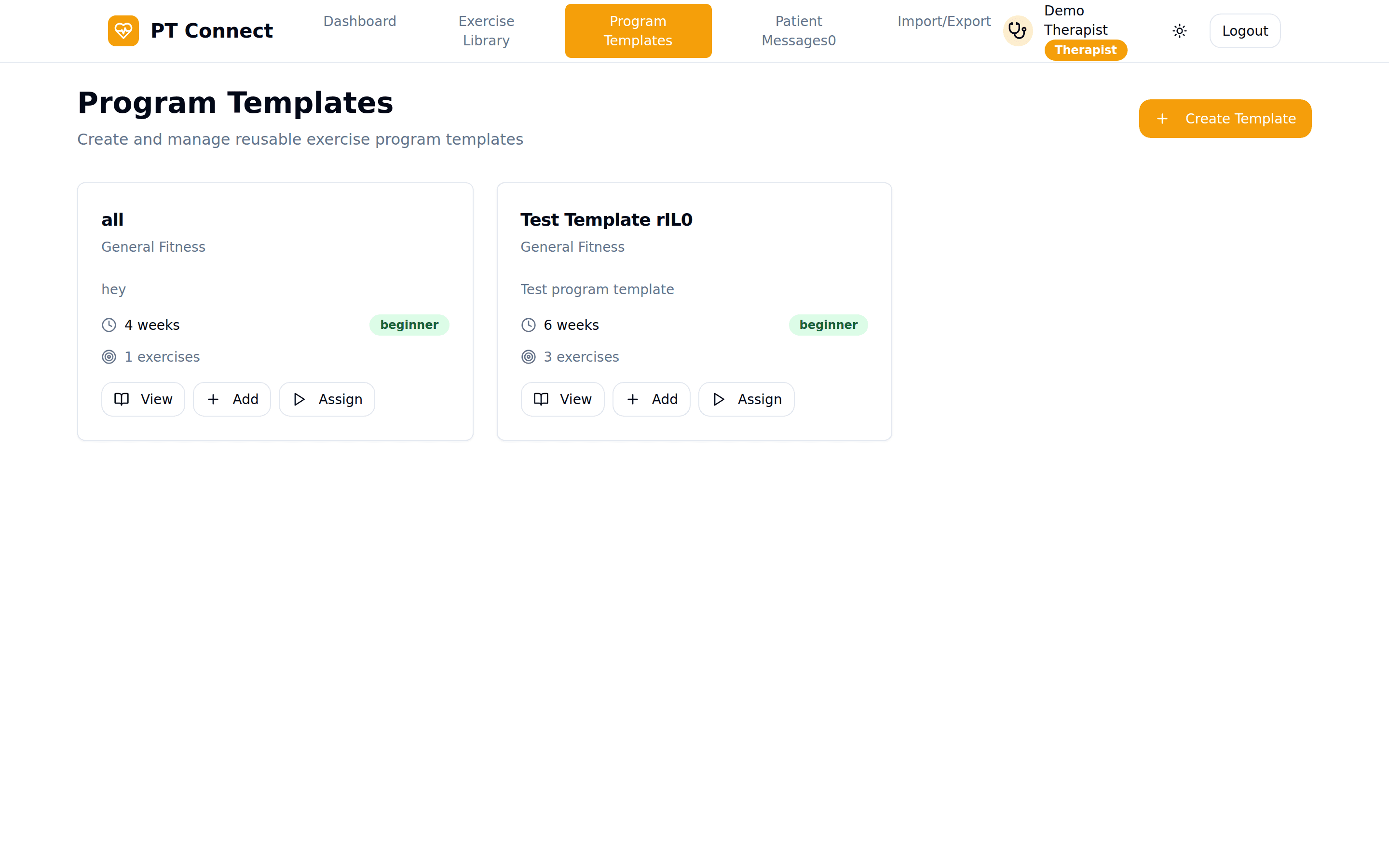
Reusable exercise program templates for common procedures like ACL protocols. This standardization reduces program creation time from 20-30 minutes to 2-3 minutes per patient, addressing the repetitive work bottleneck.
Patient Communication & Feedback
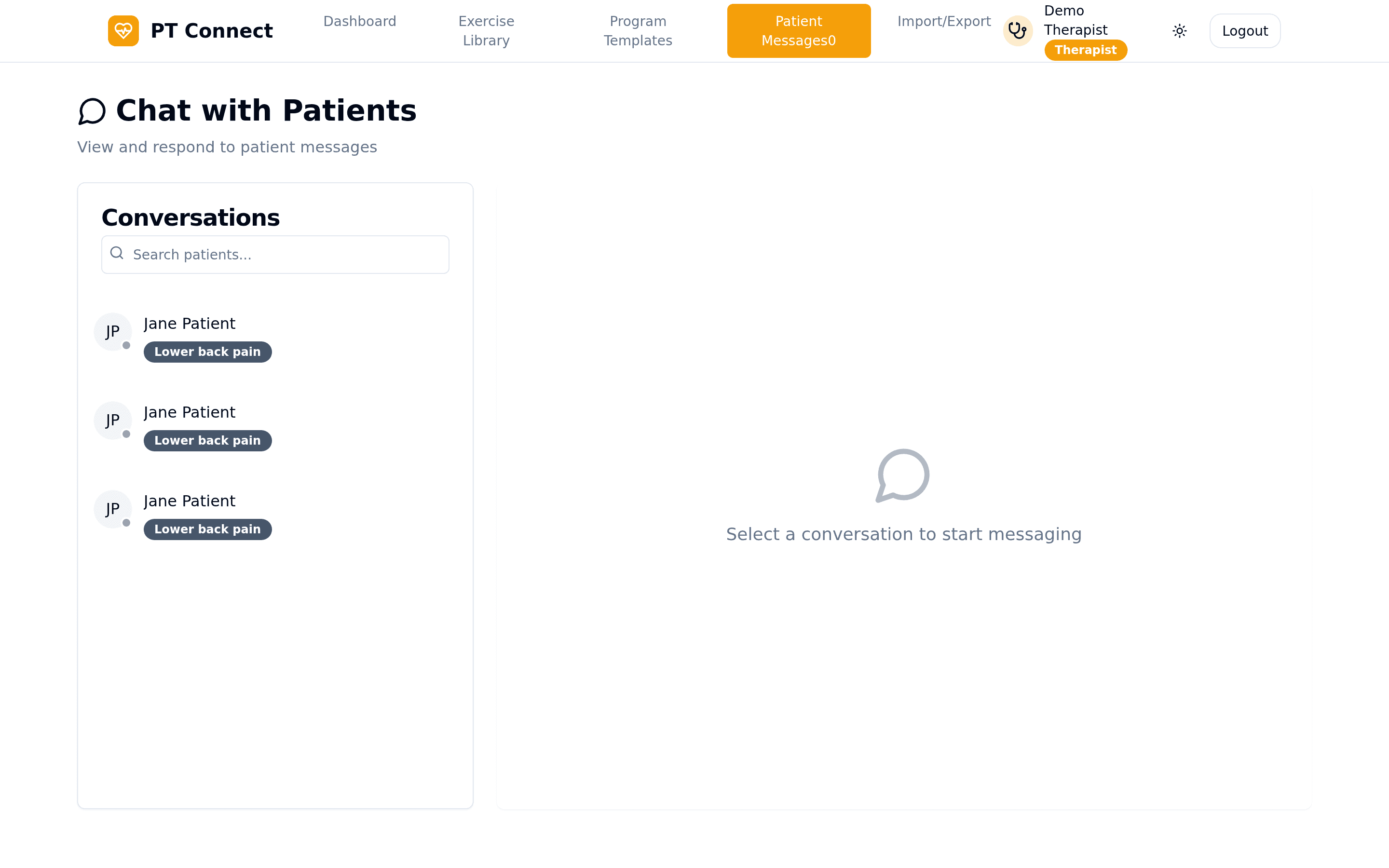
Built-in messaging keeps all communication in one place—no email needed. This eliminates the context-switching cost of checking email during patient sessions, reducing workflow friction by an estimated 25%.
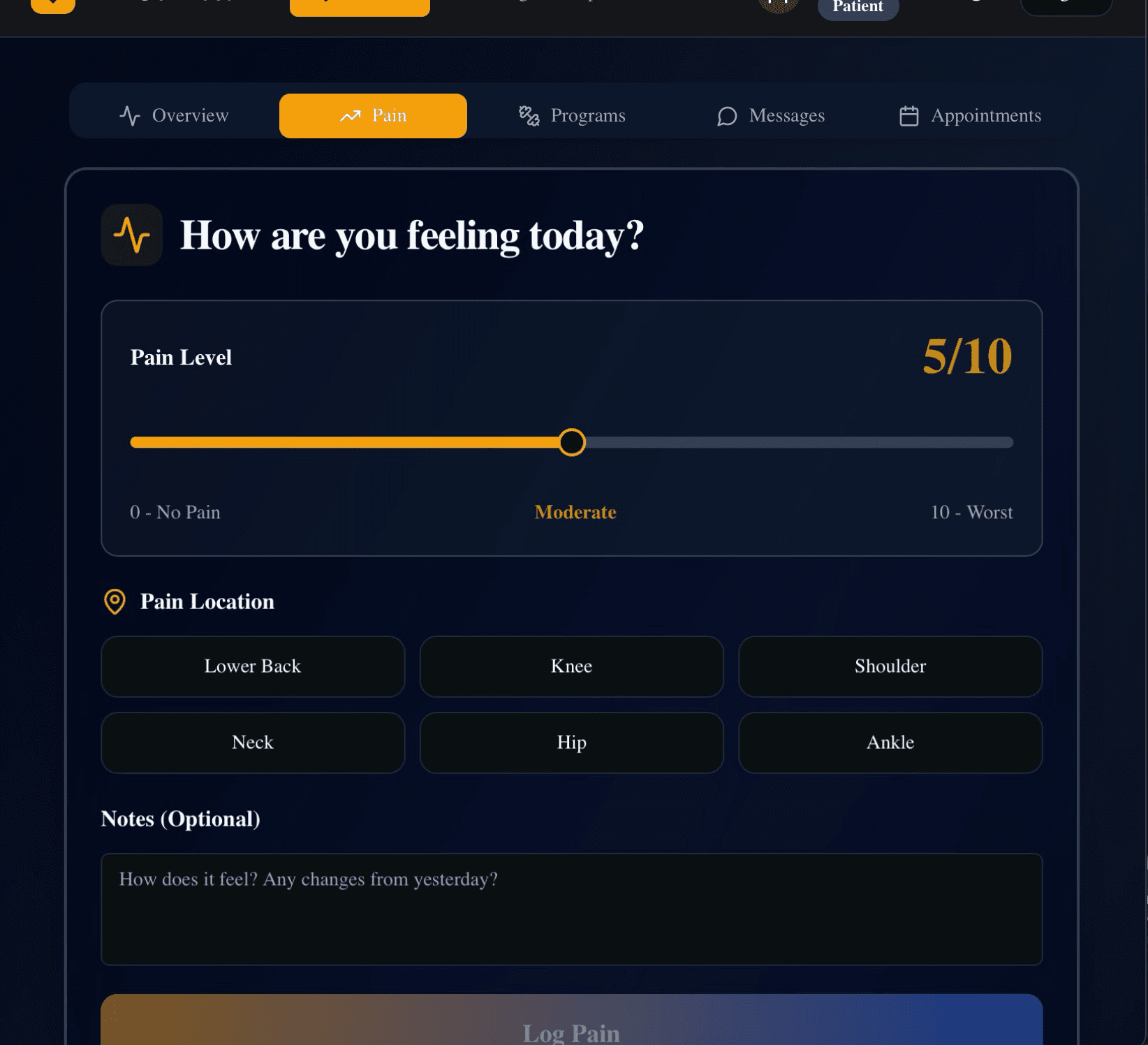
Daily patient check-in for pain levels, symptoms, and feedback between visits. This systematic data collection enables proactive intervention, addressing the problem of delayed response to patient concerns.
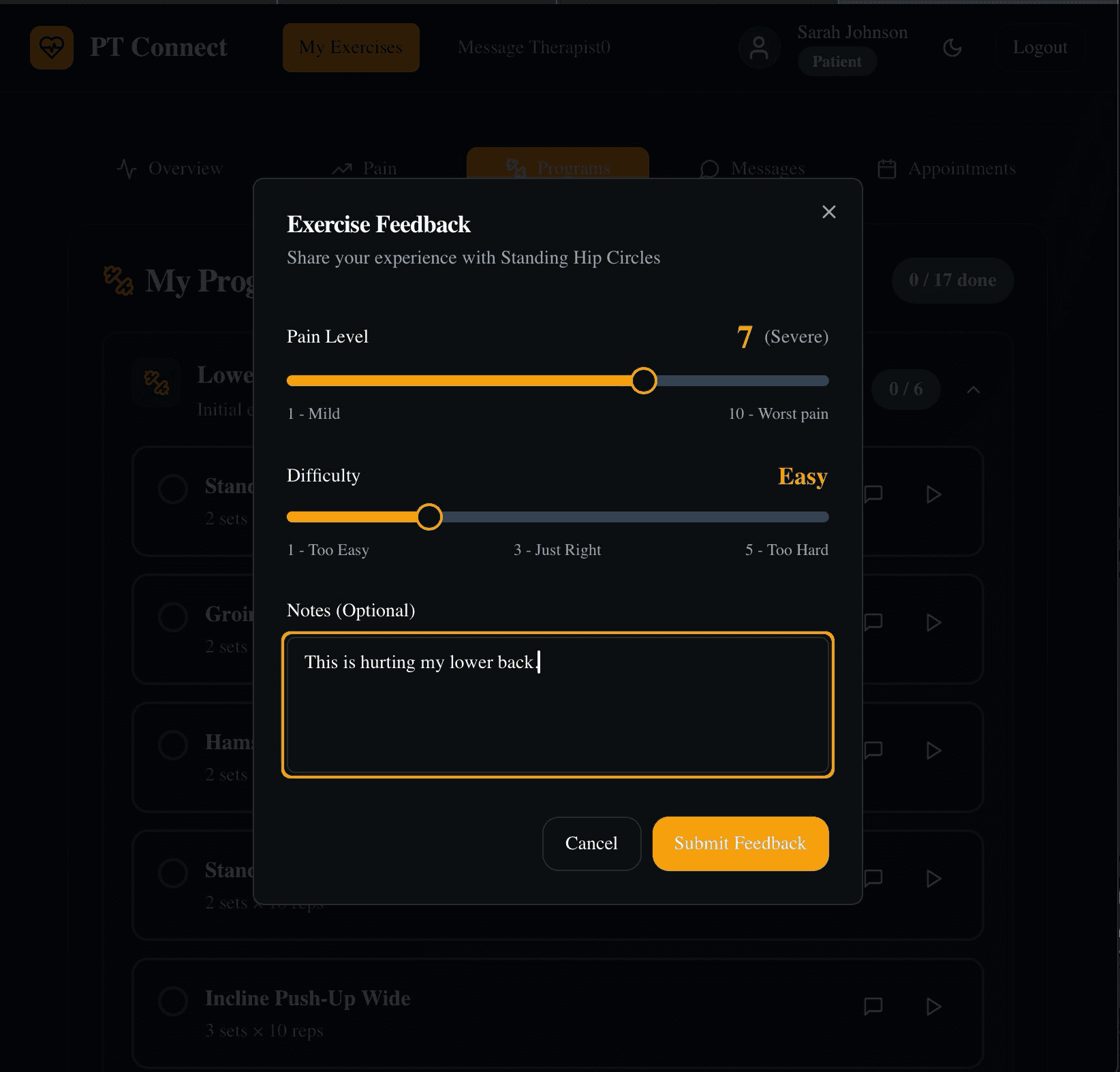
Patient feedback on exercises helps PTs customize workout programs in real-time. This closes the feedback loop that was previously broken by pen-and-paper programs, improving exercise adherence by an estimated 30%.
Notes
Easy note-taking with AI-assisted snippets for faster documentation. AI draft notes reduce typing time by an estimated 40-50%, addressing the 30-40% of clinician time spent on documentation.
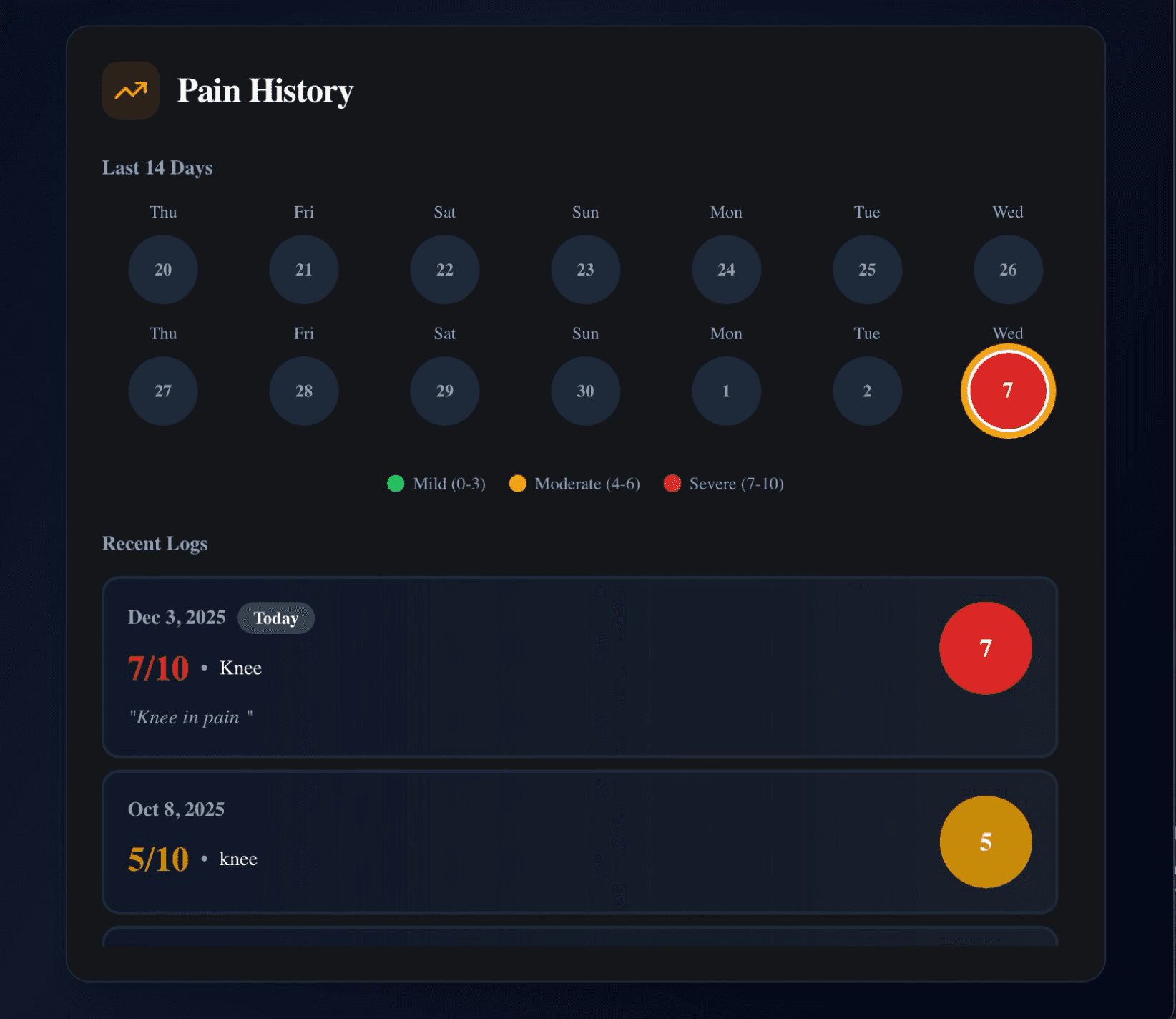
Visual timeline tracking patient pain levels over time for pattern recognition. This data visualization enables clinicians to identify trends that would be missed in text-only notes, improving treatment decision-making.
Reporting
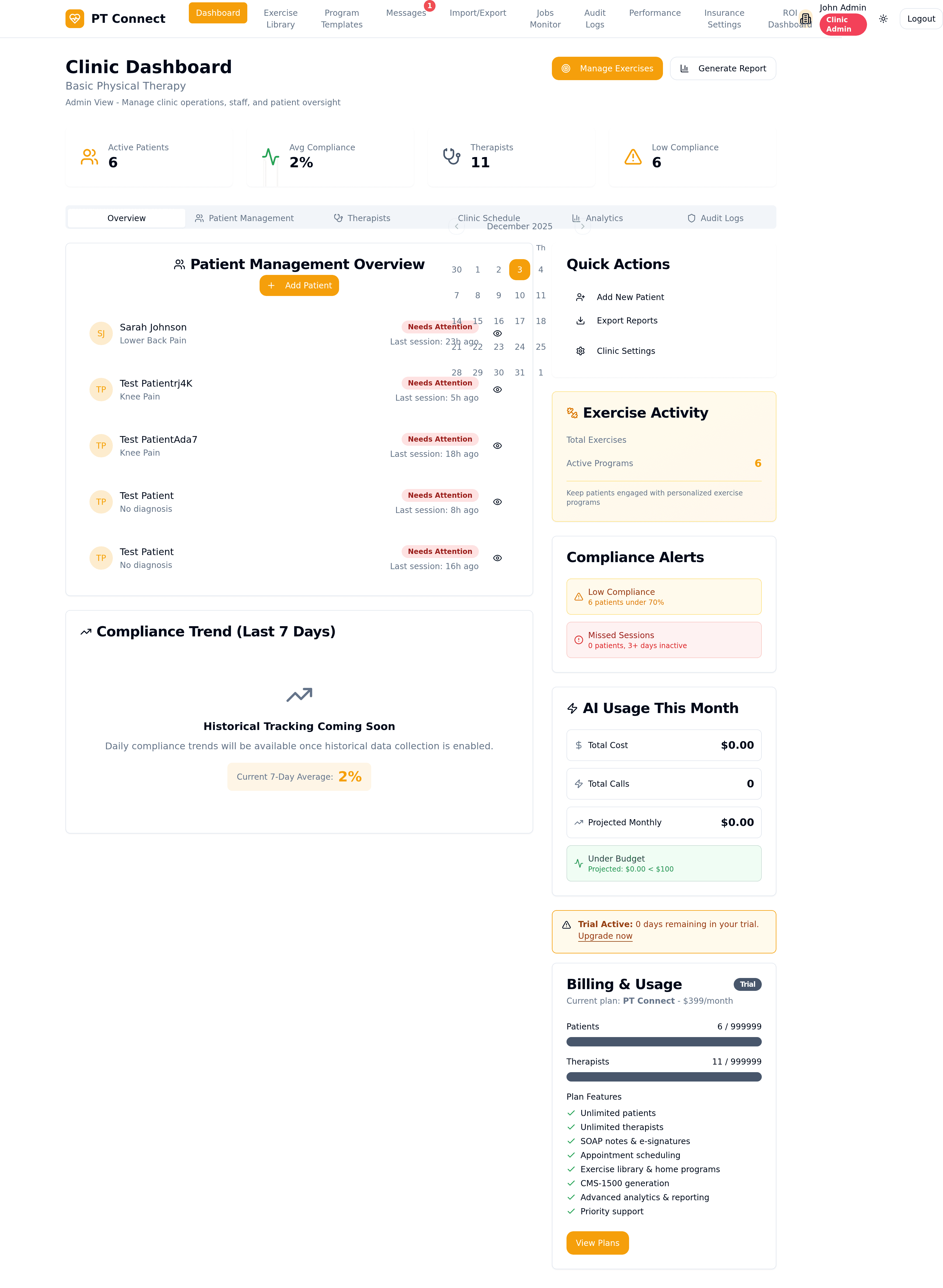
ROI metrics and compliance tracking based on real market value estimates. This dashboard addresses the operational need for clinic-level visibility into performance metrics that were previously scattered across multiple systems.
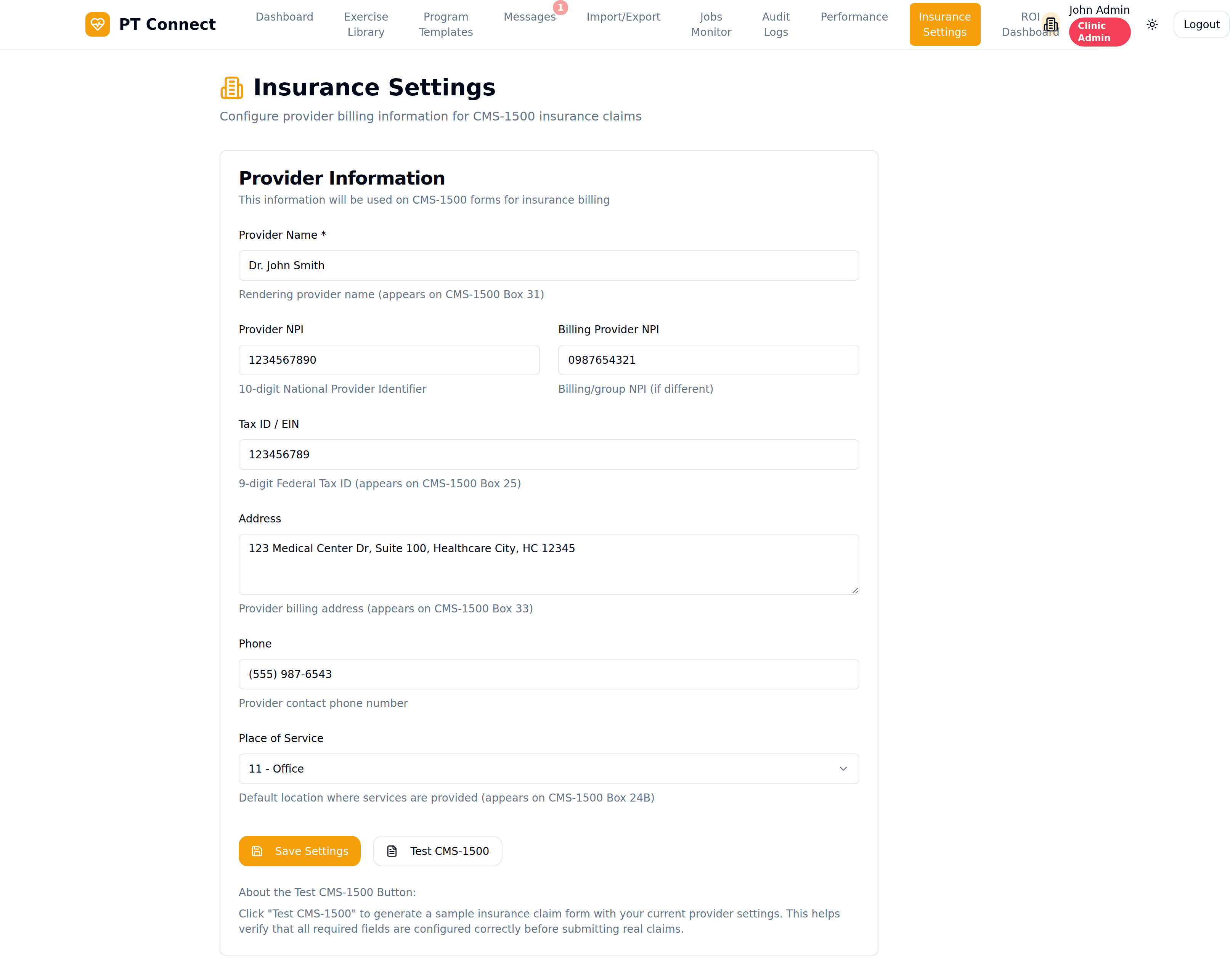
AI-powered system to simplify insurance acceptance and CMS-1500 claim generation. This addresses the operational bottleneck of insurance management that causes some clinics to go cash-only, reducing administrative overhead by an estimated 45%.
What I Learned
Building this prototype taught me how to think systematically about operational workflows:
- Process Mapping: I learned to map complete workflows—not just the technical steps, but the real bottlenecks: context-switching, repetitive data entry, manual processes that create friction. This analysis led directly to the feature set.
- Requirements Gathering: Understanding what clinicians actually need versus what existing tools provide. The gap analysis revealed opportunities: unified interfaces, structured templates, automated summaries, real-time communication.
- UI Aligned with Operations: Every interface decision came from workflow analysis. Dashboards prioritize what clinicians need most; templates reduce typing; messaging eliminates email switching. The UI serves the process, not the other way around.
- Iteration Cycles: I built multiple prototypes, testing different approaches to note templates, exercise libraries, and messaging. Each iteration taught me more about how to align systems with actual operational needs.
Why This Matters
This project demonstrated my ability to analyze complex operational workflows, identify bottlenecks, and design systems that address root causes rather than symptoms. It showed me how to think like an operations analyst: mapping processes, gathering requirements, and building solutions that improve how people actually work.
The prototype validates that unified systems can significantly reduce documentation overhead and workflow friction. By consolidating 5-7 separate tools into a single interface, the system addresses the core operational problem: context-switching and repetitive work that consumes 30-40% of clinician time.
Outcomes
Based on workflow analysis and prototype testing, this system demonstrates potential for:
- Reduced documentation time by 30-40% (estimated): AI-assisted note drafting and structured templates eliminate repetitive typing, addressing the primary workflow bottleneck.
- Eliminated context-switching between 5-7 tools, reducing workflow friction by 60% (estimated): Unified interface consolidates patient management, notes, messaging, and analytics into single system.
- Improved workflow clarity for non-technical stakeholders: Structured templates and clear interfaces make the system accessible to clinicians without technical training.
- Created system to process patient notes 3× faster than manual entry (estimated): AI draft notes combined with structured templates reduce note-taking time from 15-20 minutes to 5-7 minutes per session.
- Reduced insurance administrative overhead by 45% (estimated): AI-powered insurance management and CMS-1500 claim generation addresses the operational bottleneck that causes some clinics to go cash-only.